Alternative Dispute Resolution in Construction Projects (ADR)
A specialised programme for engineers and legal professionals to master mediation, dispute boards (DAB/DAAB) under FIDIC contracts, and engineering arbitration procedures to resolve disputes efficiently and swiftly.
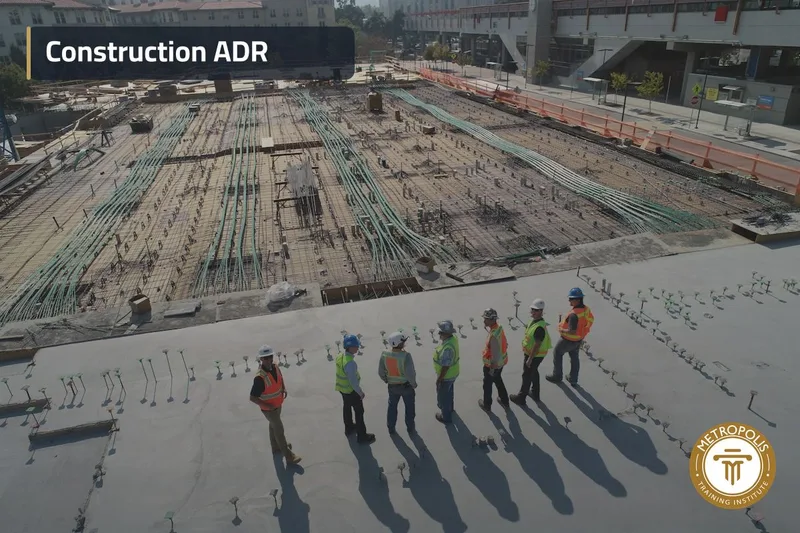
Engineering Solutions for Legal Disputes
Upcoming sessions
Pick a date and enrol
Why is ADR the best solution for projects?
Construction disputes are complex and costly. Alternative methods offer a faster and more specialised solution than traditional litigation.
Speed and Efficiency
Avoid having the project stalled in the courts for years. Tools such as the DAB provide fast solutions (Binding Decisions) that keep the work going.
Technical Specialisation
Engineering disputes call for arbitrators and mediators who understand drawings and specifications, not just generalist judges.
FIDIC Contract Compliance
An in-depth understanding of Clause 21 of the FIDIC 2017 contracts and how Dispute Avoidance/Adjudication Boards (DAAB) operate.
Inside the Programme
Realistic Construction Dispute Scenarios
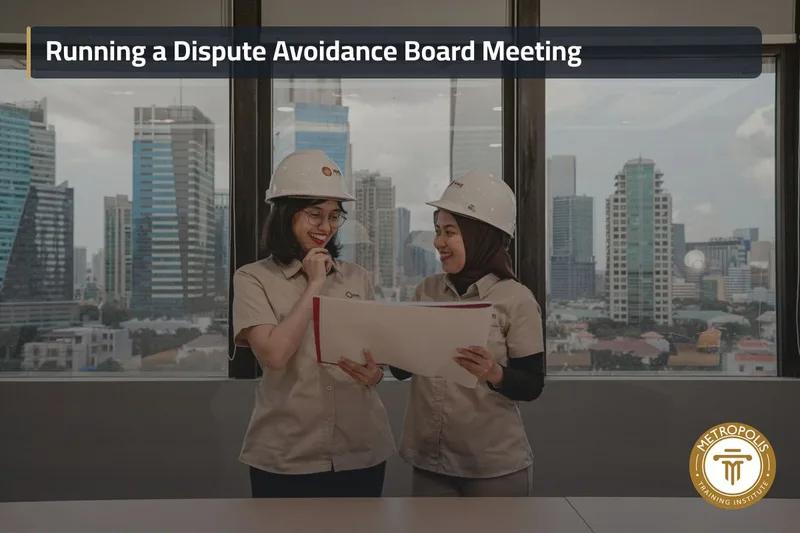
Running a Dispute Avoidance Board Meeting
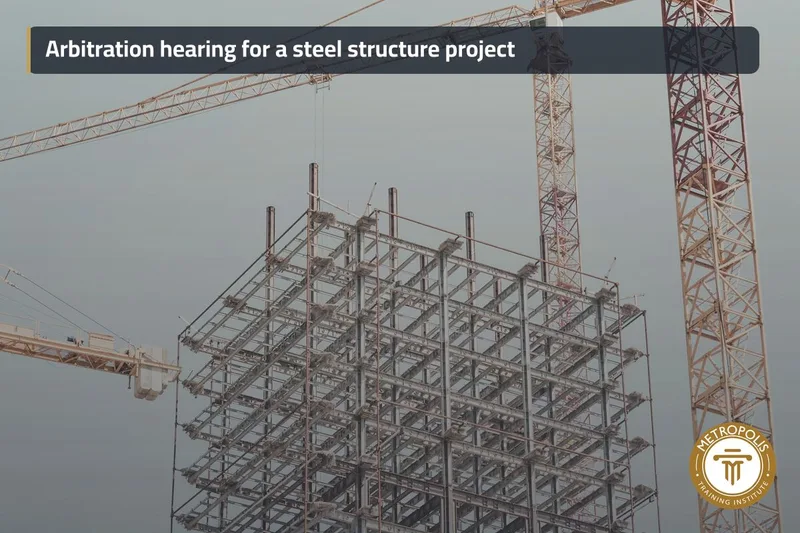
Arbitration hearing for a steel structure project
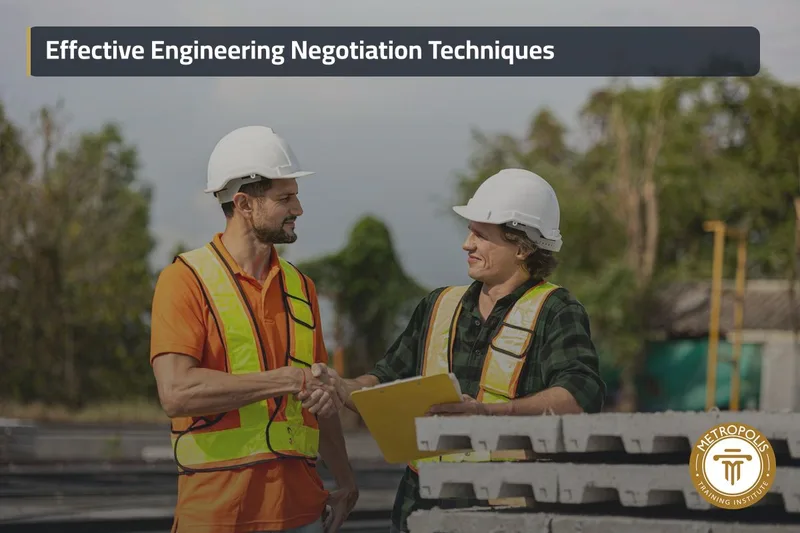
Effective Engineering Negotiation Techniques
Drafting the Final Arbitral Award
Stages of Engineering Dispute Resolution
A progression from amicable methods to binding decisions.
Negotiation and Mediation
Direct amicable settlement (Negotiation) or with the help of a neutral mediator (Mediation) to reach a settlement.
Dispute Boards
Rapid on-site intervention through DAB/DAAB to issue provisionally binding decisions and prevent the dispute from escalating.
Arbitration Procedures
Constituting the tribunal, exchanging memoranda, hearings, and analysing technical and engineering evidence.
The Arbitral Award
Issuing a final, binding award that determines liabilities and financial and time compensation (EOT).
What they said about this programme ...
Feedback from Engineers and Arbitrators
Topic Details
5 training modules covering every aspect of ADR in construction
Introduction to ADR and Construction Disputes
1.1 Definition of ADR
- The concept of alternative dispute resolution under the UNCITRAL law.
- Why turn to ADR in engineering projects?
1.2 Disputes in Construction
- Definition of a dispute (Dispute) versus a claim (Claim).
- Common causes: delays, scope changes, payments, design conflicts.
Choose the mode that suits you
In-person Training
At our state-of-the-art premises. Premium classrooms, smart boards and an ideal learning environment for direct interaction with Eng. Duaa Bakeer.
Online
Study from anywhere in the world through our interactive platform. Full flexibility to suit the schedules of engineers and legal professionals.
Customised Training (In-House)
Bespoke training solutions for contracting companies and consultancy firms. The programme can be delivered at your premises to train your project teams.
Who is this programme for?
- Project engineers and contracts managers in contracting and consulting firms
- Lawyers specialising in construction contracts and FIDIC
- Representatives of employers and government bodies supervising projects
- Arbitrators and mediators wishing to specialise in engineering disputes
What will you gain?
- Selecting the most appropriate method of dispute resolution: negotiation, mediation, dispute boards or arbitration
- Forming dispute boards (DAB/DAAB) and working under the FIDIC 2017 contracts
- Preparing and managing claims and defences in construction disputes
- Taking part in practical engineering arbitration sessions (Mock Arbitration)
- Reducing the cost and duration of disputes through early management of disagreements
On completion
Accredited certificate from Metropolis Institute (24 training hours)
Trainer
Eng. Duaa Bakeer
International Arbitration
Entry Requirements, Assessment and Certificate
Entry requirements
- An engineering or legal background: project engineers and contract managers, or lawyers, arbitrators and mediators dealing with construction disputes
- Basic familiarity with construction contracts makes the FIDIC 2017 and Clause 21 module easier to follow; no prior arbitration experience is required
- Ability to read terminology and reference materials in English; lectures are delivered in Arabic
Assessment and certificate
- Assessment method
- Participants are assessed on attendance and participation in the practical exercises: a simulated Dispute Avoidance Board meeting, the Mock Arbitration hearing on the delayed steel structure case study, and an exercise in drafting an arbitral award.
- Certificate
- Accredited certificate of completion from Metropolis Training Institute (24 training hours), issued digitally with the option of requesting a printed copy.
What the fee includes
- 24 training hours in evening lectures led by Eng. Duaa Bakeer
- Programme course content, including FIDIC 2017 contract references (DAB/DAAB)
- Accredited certificate of completion from Metropolis Training Institute
- A practical arbitration case study and realistic construction dispute scenarios
- For online training: access to the Metropolis learning platform and recorded lectures for review
Frequently asked questions about the programme
How many training hours are there, and how long is the programme?
24 training hours delivered in evening lectures on two to three days a week; the exact dates for each session are announced in the schedule above.
Will I receive a certificate after completing the programme?
Yes. Participants who meet the attendance and assessment requirements receive an accredited certificate of completion from Metropolis Training Institute, issued in digital form; a printed copy can be requested from the branch.
What is the language of training?
Lectures are delivered in Arabic, with terminology and reference materials in English where the subject requires it. Legal English and translation programmes are conducted in both languages.
What is the difference between in-person and live online training?
Online training is streamed live via the Metropolis learning platform with the same trainer, the same material and the same interaction, and lectures are recorded for later review. In-person training is held in the training halls of our branches in Riyadh, Amman and Baghdad.
How do I pay?
Once your seat is confirmed, you will receive an email containing a secure online payment link or an invoice for bank transfer in the name of the individual or the organisation. Discounts are available for groups and organisations nominating more than one participant.
Can the programme be held at our organisation?
Yes. All programmes are available as customised in-house training at your premises or remotely, with examples and case studies adapted to your organisation's sector. Contact us via the Corporate Training page.
Master Engineering Dispute Management
Includes training, course materials and the certificate