Interpreting in the Courts Professional Court Interpreting
A specialised programme that equips translators with the skills needed to work in the judicial environment, from mastering complex legal terminology to applying professional ethics standards and interpreting with absolute precision.
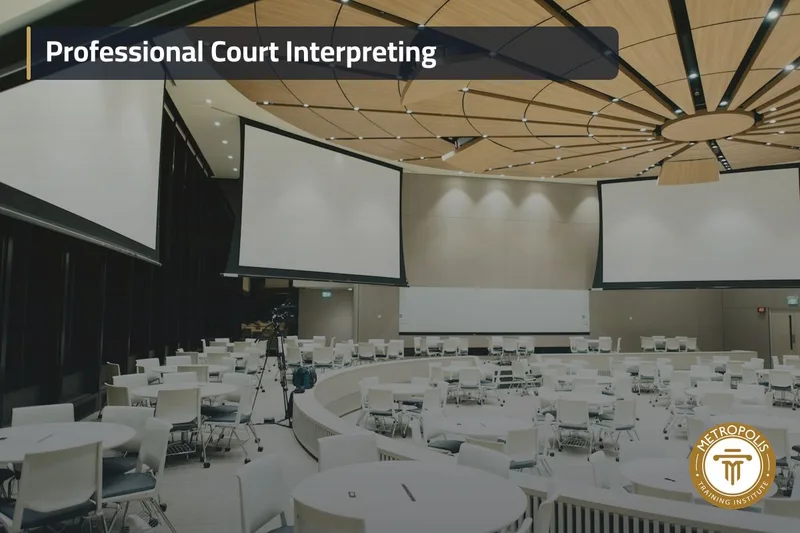
Accuracy, Impartiality and Confidentiality
Upcoming sessions
Pick a date and enrol
Why is this programme essential for translators?
Court interpreting requires more than language proficiency; it demands a deep understanding of the law, culture and professional ethics.
Legal Precision
Master precise legal terminology in Arabic and English to convey the correct meaning and avoid errors that could affect the course of justice.
Memory and Interpreting Techniques
Developing short-term memory, note-taking, and consecutive and sight interpreting skills to cope with courtroom pressure.
Professional Ethics
Understanding and applying the interpreter's code of ethics, including impartiality, confidentiality and integrity, the essential pillars of the court interpreter's work.
Inside the Programme
A look at the practical applications and exercises
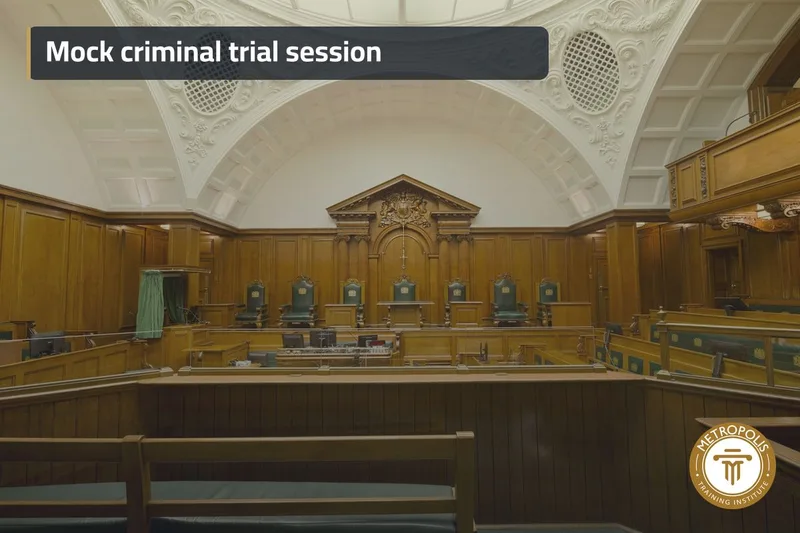
Mock criminal trial session
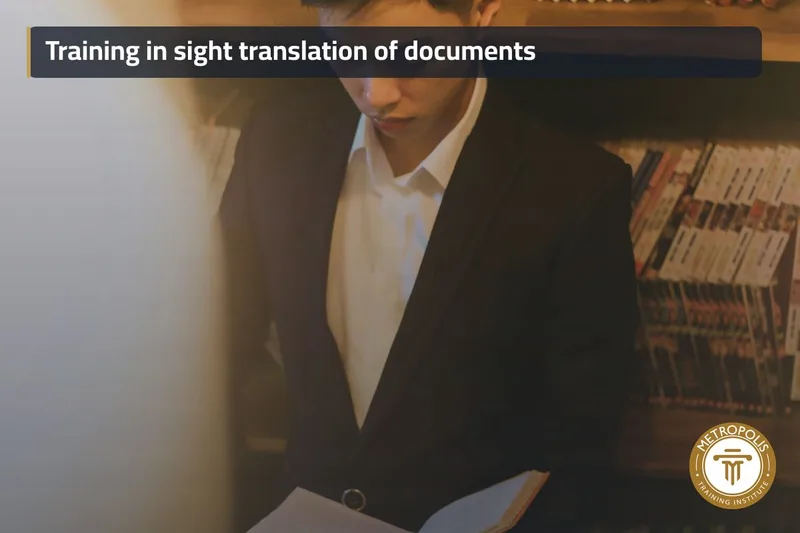
Training in sight translation of documents
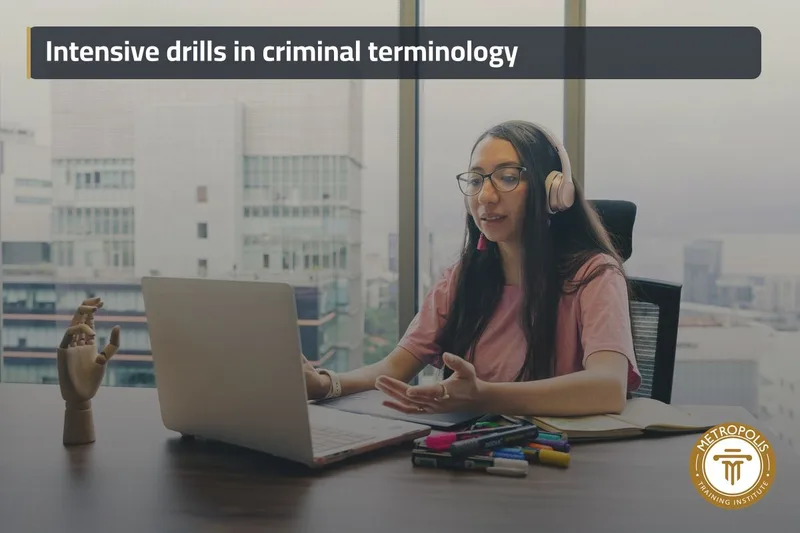
Intensive drills in criminal terminology
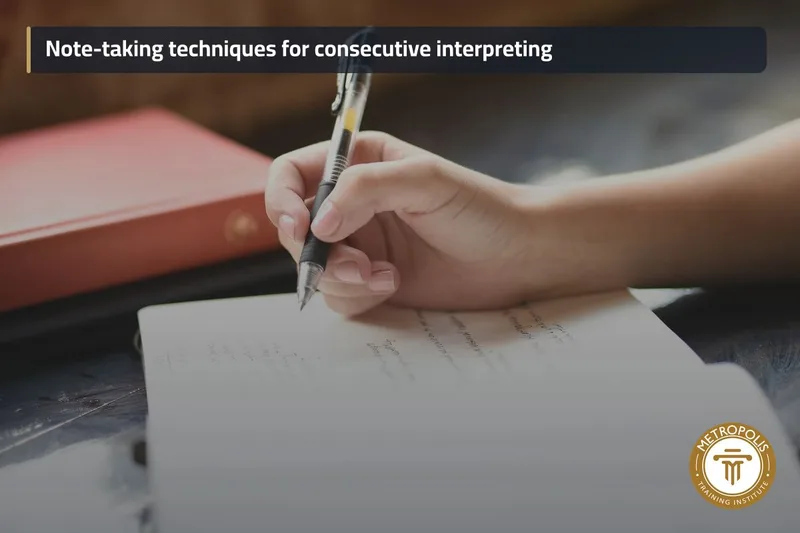
Note-taking techniques for consecutive interpreting
The Journey to Court Interpreting Mastery
From the fundamentals to practical application in the courtroom.
Fundamentals and Terminology
Understanding the interpreter's role and professional ethics, and building a strong base of legal and criminal terminology.
Techniques and Skills
Learn simultaneous and consecutive interpreting techniques, note-taking, and sight translation.
Challenges and Practice
Dealing with dialects, unfamiliar terminology, psychological pressure and cultural differences.
Application and Simulation
Full role-play mock court sessions, live interpreting exercises, and final performance assessment.
Topic Details
A comprehensive curriculum of 7 core modules
Introduction to Court Translation and Terminology
Unit 1: Introduction to Court Interpreting
- The role and responsibilities of the court interpreter.
- The difference between translation and interpreting.
- An overview of legal systems (common law and civil law).
Unit 2: Legal Terminology
- Criminal, civil and contract law terminology.
- Common phrases used in court.
- Building a bilingual glossary.
Choose the mode that suits you
In-person Training
At our state-of-the-art premises. An interactive environment with audio labs for simultaneous interpreting exercises.
Online
Attending lectures remotely via interactive platforms that enable training in remote simultaneous interpreting (RSI).
Customised Training (In-House)
Designing bespoke programmes for courts, law firms and international organisations to train their translation teams.
Upcoming sessions for this programme
Fees include training, course materials and the certificate. Fees vary by city and delivery mode.
| City | Mode | Start | End | Days & time | Fees | Enrolment |
|---|---|---|---|---|---|---|
| Live Online | Live Online | To be announced | Sunday, Tuesday5-8 pm | USD 850 | Enrol |
Who is this programme for?
- Translators wishing to move into interpreting
- Interpreters working with courts, public prosecution offices and police stations
- Translation graduates seeking a rare specialisation
- Bilingual lawyers accompanying foreign clients
What will you gain?
- Master judicial and criminal procedure terminology in Arabic and English
- Applying consecutive, simultaneous and sight interpreting techniques in the courtroom
- Upholding court interpreter ethics: impartiality, confidentiality and accuracy
- Handling the pressure of hearings and dealing with unfamiliar dialects and terminology
- Preparing for accreditation as a court interpreter
On completion
Accredited certificate from Metropolis Institute (30 training hours)
Trainer
Hatem Al-Nsour, Translator
Legal Translation
Entry Requirements, Assessment and Certificate
Entry requirements
- Proficiency in both Arabic and English; the programme is delivered in both languages
- No prior interpreting experience is required; the programme is designed for translators wishing to move into interpreting and for those working with courts and public prosecution offices
- Ability to work under time pressure and take part in simulation and role-play sessions
Assessment and certificate
- Assessment method
- Participants are assessed through real-time simultaneous, consecutive and sight interpreting exercises and mock court sessions; the programme concludes with a final assessment comprising tests and a simulation, subject to meeting the attendance requirements.
- Certificate
- Accredited certificate of completion from Metropolis Training Institute (30 training hours).
What the fee includes
- 30 training hours in evening lectures, two to three days a week
- Training content for the seven units
- Accredited certificate of completion from Metropolis Training Institute
- Access to the Metropolis learning platform and review of recorded lectures, with remote simultaneous interpreting (RSI) practice on the online track
- Full role-play mock court sessions and live interpreting exercises
- A bilingual glossary built by the participant during the programme
Frequently asked questions about the programme
How many training hours are there, and how long is the programme?
30 training hours delivered in evening lectures on two to three days a week; the exact dates for each session are announced in the schedule above.
Will I receive a certificate after completing the programme?
Yes. Participants who meet the attendance and assessment requirements receive an accredited certificate of completion from Metropolis Training Institute, issued in digital form; a printed copy can be requested from the branch.
What is the language of training?
Lectures are delivered in Arabic, with terminology and reference materials in English where the subject requires it. Legal English and translation programmes are conducted in both languages.
What is the difference between in-person and live online training?
Online training is streamed live via the Metropolis learning platform with the same trainer, the same material and the same interaction, and lectures are recorded for later review. In-person training is held in the training halls of our branches in Riyadh, Amman and Baghdad.
How do I pay?
Once your seat is confirmed, you will receive an email containing a secure online payment link or an invoice for bank transfer in the name of the individual or the organisation. Discounts are available for groups and organisations nominating more than one participant.
Can the programme be held at our organisation?
Yes. All programmes are available as customised in-house training at your premises or remotely, with examples and case studies adapted to your organisation's sector. Contact us via the Corporate Training page.
Master the Language of Justice Today
Includes training, course materials and the certificate